


Can Eye Exercises Stop the Progression of Myopia?
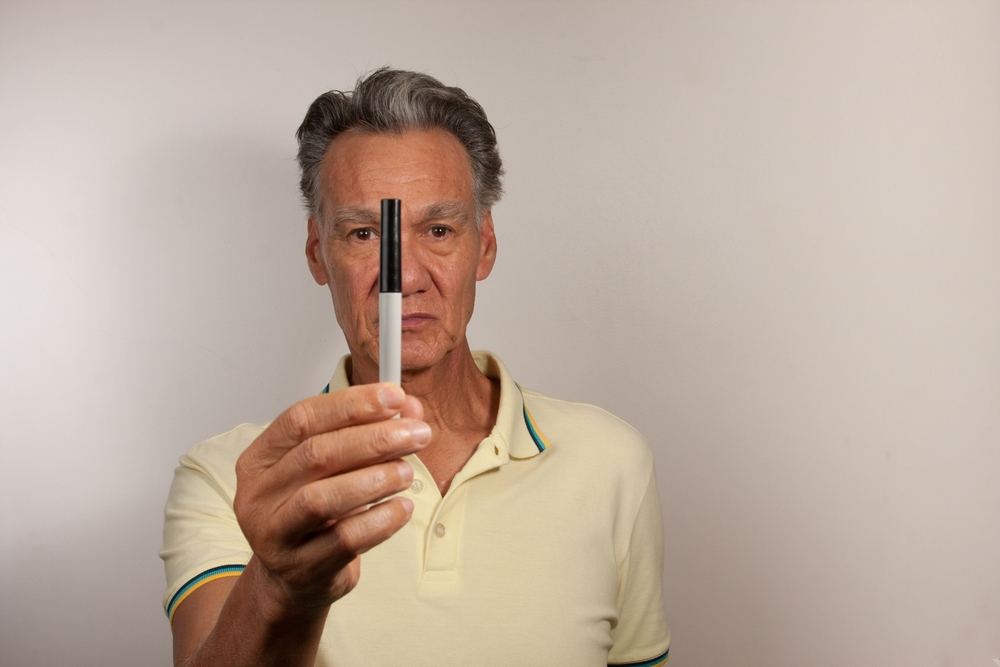
With rising rates of myopia in both children and adults, many patients are asking whether eye exercises can prevent nearsightedness from worsening. Understanding the causes of myopia and the treatments proven to slow its progression is key to preserving long-term eye health.
What Is Myopia?
Myopia is a common vision condition in which distant objects appear blurry while close-up vision remains clear. It occurs when the eye grows too long from front to back or when the cornea is too steep, causing light to focus in front of the retina instead of directly on it.
Myopia often develops during childhood and tends to worsen as a child grows. If left unmanaged, higher levels of myopia can increase the risk of future eye health problems, including retinal detachment, glaucoma, and myopic macular degeneration.
Can Eye Exercises Help with Myopia?
Despite widespread claims, eye exercises cannot stop or reverse the progression of myopia. Myopia is primarily related to the physical structure and growth of the eye - not eye muscle weakness - so exercises alone cannot change how light focuses inside the eye.
Helpful Lifestyle Habits
While they don’t correct myopia, these habits may help reduce eye strain and support healthier visual development:
Limiting screen time, especially for children
Taking regular breaks from near work using the 20-20-20 rule
Spending more time outdoors, which research shows is associated with a lower risk of myopia progression in children
These steps are beneficial, but they are not a substitute for clinical myopia management treatment.
What Can Help Slow Myopia Progression?
Modern myopia management focuses on evidence-based treatments designed to slow eye growth and reduce worsening nearsightedness over time. At Family Eye Associates, these options are customized based on age, prescription, lifestyle, and eye health.
Atropine Eye Drops
Low-dose atropine eye drops are commonly prescribed for children with progressive myopia. Used nightly, they have been shown to significantly slow myopia progression with minimal side effects when properly monitored.
Orthokeratology (Ortho-K)
Ortho-K lenses are specially designed rigid contact lenses worn overnight. They gently reshape the cornea while your child sleeps, providing clear vision during the day without glasses or contacts - and helping slow myopia progression over time.
Multifocal Contact Lenses
Multifocal soft contact lenses are worn during the day and are designed to correct vision while also reducing the stimulus that contributes to eye elongation. They are a popular and effective option for many children and teens.
Why Early Myopia Management Matters
The earlier myopia is identified and managed, the better the chances of slowing its progression. Regular pediatric eye exams allow your eye doctor to track changes over time and adjust treatment as needed, helping protect long-term vision and eye health.
Schedule a Myopia Management Consultation Today
While eye exercises may improve eye comfort or reduce strain, they cannot stop or reverse myopia progression. Limiting screen time and increasing outdoor activity can support healthy vision habits, but proven myopia management treatments offer the most effective way to slow worsening nearsightedness.
If you’re concerned about your child’s nearsightedness, Family Eye Associates is here to help. Schedule a comprehensive eye exam to learn more about personalized myopia management options and take a proactive step toward protecting your child’s vision for the future. Visit our office in Tunersville, New Jersey, or call (856) 227-0720 today.


MAP
© 2025 Family Eye Associates. All Rights Reserved. Accessibility Statement - Privacy Policy - Sitemap
Powered by: 